
The Ill Winds of War Deliver Demand Destruction
The war on Iran will accelerate the climate transition
GLOBAL WARMINGENERGY ACCESSCLIMATE POLITICSFOSSIL FUELSGEOPOLITICS
4/19/20263 min read
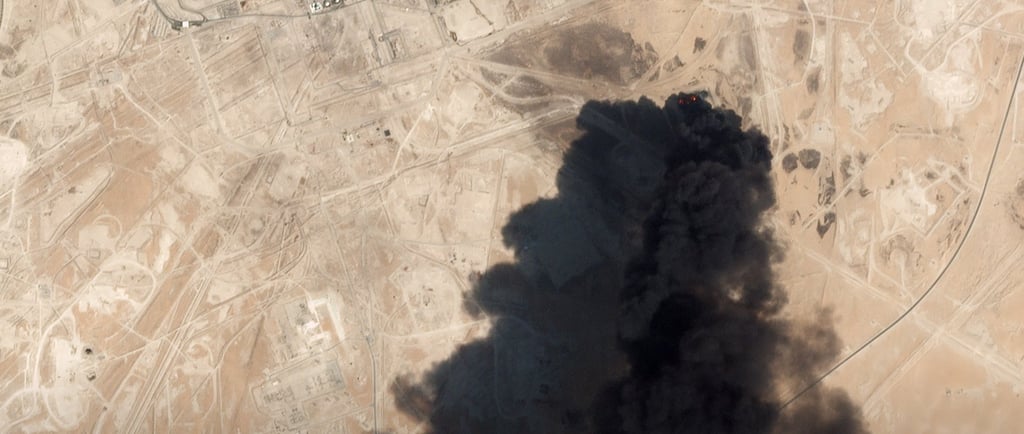
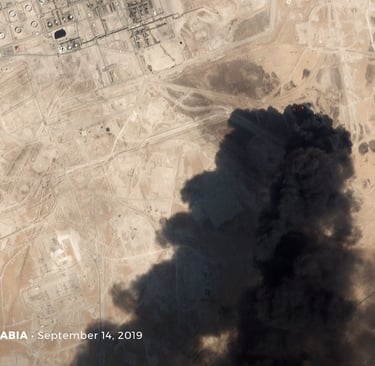
The U.S. has once again started a war in the Middle East. Already thousands are dead and many more injured. As always, civilians – especially those with no influence to start or prevent such a war – suffer the most. The long-term, environmental health impacts may turn out to be even worse than the immediate casualties. The destruction of oil facilities in the previous Gulf wars led to the release of millions of tons of burned and unburned crude oil, with widespread, long-term consequences for human and ecological health. This time, several fossil fuel facilities have already been attacked and if the war escalates, more such destruction can be expected.
Amidst such grim news, it is hard – perhaps even seems callous – to find a ray of hope. But I believe that this awful war brings more than just a ray: I think it will mark a significant turning point in the long struggle to wean the world off fossil fuels.
I have no crystal ball and cannot guess how long the war will last or how much death and destruction will ensue before it ends. But it is clear that the war has revealed the fragility of the world’s dependence on crude oil and fossil gas. The closure of the Strait of Hormuz has sent the price of crude oil soaring, and interrupted supplies of LNG (liquified natural gas). Most crude oil is turned into gasoline (aka petrol) to fuel passenger vehicles. Diesel, used in buses, trucks, ships and generators, is the second most valuable product. These increased costs – transportation and electricity generation – ripple through the entire economy. Asian countries, which are particularly exposed to supply interruptions from the Gulf, are seeing prices for fuel and fertilizer spike and, in some cases, are being forced to ration supplies. Everyone – from prime ministers to business owners to individual households – is scrambling to find alternatives.
Fortunately, unlike the energy shocks of the 1970s and 1990s, there are now good alternatives available. Battery-electric vehicles – from humble two-wheelers and electric bicycles up to passenger buses – are now an established product, being built by the millions. By all accounts, they are superior to internal combustion vehicles. Before the war, they were already price-competitive, as shown by electric cars’ more than 50% market share in China. Even heavy trucks are going electric. Diesel generators, too, can be replaced by solar panels and battery storage at an attractive price. In the next few months, I expect consumers, businesses and governments alike to accelerate their transition to electric vehicles and generators.
This transition is a one-way street. Drivers almost never revert from electric to gasoline cars. Businesses and governments would be foolish to expose themselves to oil supply shocks when they can charge their fleet vehicles from local solar panels. As a result, the demand for oil will continue to drop. This is known as “demand destruction” – a structural change in the market toward lower demand levels. This process, which had just begun in the last few years and was expected to take decades, will be supercharged by the war. That is good news for the climate and for the billions of people who breathe unhealthy air because of vehicle exhaust. The faster this transition happens, the better.
The transition might be even more dramatic. If the Strait of Hormuz remains closed for several months, or if widespread destruction of oil infrastructure happens, I expect the market for new internal combustion engine vehicles to collapse entirely. The vehicle turnover rate of 15-30 years may shorten dramatically, with electric vehicles quickly becoming dominant not only in new sales, but on the street. The market for gasoline and diesel will never recover.
A rapid decline in the gasoline and diesel markets will have far-ranging repercussions. The petroleum industry’s profitability hinges on these two fuels; sales of aviation fuel, naphtha, bitumen, ethane, and other byproducts of oil refining are not enough to keep the industry profitable. As gasoline and diesel sales drop, refineries, wells, terminals and pipelines will all close. This is the “mid-transition,” and for all the challenges it brings, it can’t happen soon enough.
“It is an ill wind that blows no one any good” goes the old saying, meaning that even terrible times have their benefits. If this war can destroy demand for fossil fuels – the only destruction I could cheer on – it will push us firmly into the climate transition.
© 2025. All rights reserved.
Website & Logo design by Afroz Algiers
Photo Credit for background image: Freepik